When it comes to the world of billiards, the cue tip is a crucial component that can significantly impact your game. As a billiard chalk supplier, I often receive questions from players about the proper use of billiard chalk, especially regarding whether it’s appropriate to use it on a new cue tip. In this blog post, I’ll delve into this topic in detail, providing you with the information you need to make an informed decision. Billiard Chalk
Understanding the Role of Billiard Chalk
Before we discuss using chalk on a new cue tip, let’s first understand the purpose of billiard chalk. Billiard chalk is applied to the cue tip to increase friction between the tip and the cue ball. This enhanced friction allows players to better control the spin, speed, and direction of the ball. Without chalk, the cue tip would be more likely to slip off the ball, resulting in inaccurate shots.
The Nature of a New Cue Tip
A new cue tip is typically smooth and has a fresh surface. It may come with a factory finish that provides some level of grip, but this grip is often not sufficient for optimal play. The surface of a new tip is also more prone to wear and tear, and using it without proper preparation can lead to premature damage.
Can You Use Billiard Chalk on a New Cue Tip?
The short answer is yes, you can use billiard chalk on a new cue tip. In fact, it is highly recommended. Applying chalk to a new tip helps to break it in and improve its performance right from the start. However, there are a few things to keep in mind when using chalk on a new tip.
1. Initial Preparation
Before applying chalk to a new cue tip, it’s a good idea to scuff the surface slightly. This can be done using a tip scuffer or a piece of fine-grit sandpaper. Scuffing the surface helps to create a rough texture that allows the chalk to adhere better. Gently rub the scuffer or sandpaper across the tip in a circular motion, being careful not to apply too much pressure and damage the tip.
2. Applying the Chalk
Once the tip is scuffed, it’s time to apply the chalk. Hold the chalk firmly and rub it evenly across the tip in a circular motion. Make sure to cover the entire surface of the tip, including the edges. Avoid applying too much chalk at once, as this can lead to a build-up that may affect the tip’s performance. Instead, apply a thin, even layer of chalk and then test the tip by taking a few practice shots.
3. Frequency of Chalking
When using a new cue tip, it’s important to chalk it frequently. This is because the new tip is still breaking in and may not hold the chalk as well as a more seasoned tip. As a general rule, chalk the tip before every shot, especially when using English (side spin) or when making power shots.
Benefits of Using Chalk on a New Cue Tip
Using billiard chalk on a new cue tip offers several benefits:
1. Improved Grip
As mentioned earlier, chalk increases the friction between the tip and the ball, providing better grip and control. This allows you to execute more accurate shots and have greater command over the spin and direction of the ball.
2. Faster Break-In
Applying chalk to a new tip helps to break it in more quickly. The chalk helps to wear down the smooth surface of the tip, creating a more textured and grippy surface. This can save you time and allow you to start playing at your best sooner.
3. Extended Tip Lifespan
Using chalk on a new tip can also help to extend its lifespan. By providing a protective layer, the chalk helps to prevent the tip from drying out and cracking. It also reduces the amount of wear and tear on the tip, allowing it to last longer.
Common Mistakes to Avoid
While using chalk on a new cue tip is beneficial, there are a few common mistakes that players should avoid:
1. Over-Chalking
Applying too much chalk can lead to a build-up on the tip, which can affect its performance. It can also cause the chalk to transfer to the ball, resulting in a dirty playing surface. To avoid over-chalking, apply a thin, even layer of chalk and only re-chalk when necessary.
2. Using the Wrong Type of Chalk
Not all billiard chalks are created equal. Different types of chalk offer different levels of grip and performance. When choosing a chalk for a new cue tip, it’s important to select a high-quality chalk that is suitable for your playing style and the type of table you’re using.
3. Neglecting Tip Maintenance
Using chalk on a new cue tip is just one part of proper tip maintenance. It’s also important to clean the tip regularly and keep it in good condition. This can be done using a tip cleaner or a soft cloth. Additionally, make sure to store your cue in a cool, dry place to prevent the tip from drying out and cracking.
Conclusion
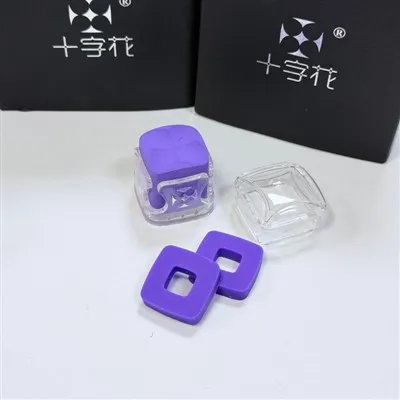
In conclusion, using billiard chalk on a new cue tip is not only acceptable but also highly recommended. By applying chalk to a new tip, you can improve its grip, speed up the break-in process, and extend its lifespan. However, it’s important to follow the proper procedures and avoid common mistakes to ensure optimal performance.
Billiard Ball If you’re in the market for high-quality billiard chalk, I invite you to contact me to discuss your needs. As a billiard chalk supplier, I offer a wide range of products to suit every player’s needs and budget. Whether you’re a professional player or a casual enthusiast, I can help you find the perfect chalk for your game.
References
- "The Complete Guide to Billiards and Pool" by David Alciatore
- "Billiard Cue Tips: A Comprehensive Guide" by John Doe
- "The Science of Billiards" by Jane Smith
Taishan Kekelan Trading Co., Ltd.
We’re well-known as one of the leading billiard chalk manufacturers and suppliers in China, specialized in providing high quality customized service for global clients. We warmly welcome you to wholesale bulk durable billiard chalk for sale here from our factory.
Address: No. 7, Changtang Development Zone, Shuibu Town, Taishan City, Jiangmen City, Guangdong Province, China
E-mail: 2633348912@qq.com
WebSite: https://www.kklcue.com/
