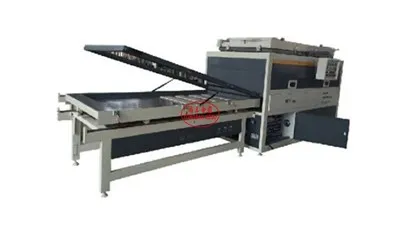
Adjusting the speed of a WPC (Wood-Plastic Composite) Profile Machine according to different materials is a critical aspect of ensuring high – quality production. As a WPC Profile Machine supplier, I have witnessed firsthand how the right speed adjustment can significantly impact the manufacturing process and the final product. WPC Profile Machine
Importance of Speed Adjustment
The speed at which a WPC Profile Machine operates is not a one – size – fits – all setting. Different materials have unique physical and chemical properties, such as density, viscosity, and melting point. These properties determine how the material flows and forms within the machine. If the speed is too high for a particular material, it may not have enough time to properly melt, mix, and shape, resulting in a profile with poor surface finish, internal voids, or inconsistent dimensions. On the other hand, if the speed is too low, production efficiency will be reduced, and energy costs will increase.
Understanding Different WPC Materials
WPC materials are typically composed of a combination of wood fibers and thermoplastics, such as polyethylene (PE), polypropylene (PP), or polyvinyl chloride (PVC). The ratio of wood fibers to plastics, as well as the type of plastic used, can vary greatly. For instance, a material with a high proportion of wood fibers may have a higher viscosity and a lower melting point compared to a material with more plastic content.
- High – Wood – Fiber Content: WPC materials with a high percentage of wood fibers are more prone to thermal degradation. When adjusting the machine speed, we need to ensure that the material spends enough time in the heating zone to melt the plastic matrix without overheating the wood fibers. A slower speed is usually recommended for these materials to allow for thorough melting and blending.
- High – Plastic Content: Materials with a high plastic content generally have better flow properties. They can be processed at a relatively higher speed because the plastic can flow more easily through the extrusion die. However, this also depends on the specific type of plastic. For example, PVC – based WPCs may require a different speed setting compared to PE – or PP – based ones due to differences in their melting and flow characteristics.
Initial Testing and Parameter Setting
When introducing a new material to the WPC Profile Machine, the first step is to conduct a series of initial tests.
- Visual Inspection: Start with a slow speed, such as 1 – 2 meters per minute. Observe the extrusion process carefully. Check if the material is coming out of the die smoothly. Look for any signs of unevenness, such as ripples or streaks on the surface of the profile, which may indicate improper melting or flow.
- Dimensional Analysis: Measure the dimensions of the extruded profile at regular intervals. If the dimensions are not within the specified tolerance range, it could be a sign that the speed needs to be adjusted. For example, if the profile is too thin, it may be because the material is flowing too fast, and the pressure in the die is not sufficient to maintain the correct shape.
- Mechanical Testing: Perform basic mechanical tests on the extruded samples, such as tensile strength and flexural strength tests. If the test results are below the expected values, it may suggest that the material was not processed correctly, and the speed adjustment may be necessary.
Fine – Tuning the Speed
Based on the results of the initial tests, we can start to fine – tune the speed.
- Incremental Adjustments: Make small incremental adjustments to the machine speed, usually in steps of 0.1 – 0.2 meters per minute. After each adjustment, run the machine for a sufficient period to allow the material to reach a stable state and then repeat the visual inspection, dimensional analysis, and mechanical testing.
- Monitoring the Process: Continuously monitor the temperature and pressure inside the machine during the speed adjustment process. A sudden change in speed can affect these parameters, which in turn can impact the quality of the extruded profile. For example, increasing the speed may cause a drop in pressure, which can lead to a decrease in the density of the profile.
Case Studies
- Case 1: High – Wood – Fiber PE – Based WPC
A customer was using a high – wood – fiber PE – based WPC to produce decking profiles. Initially, they set the machine speed at 3 meters per minute. However, the extruded profiles had a rough surface and some internal voids. After reducing the speed to 2 meters per minute, the profiles showed significant improvement in surface finish and internal structure. Further testing at 1.8 meters per minute revealed even better results, with the profiles meeting all the quality standards. - Case 2: High – Plastic PP – Based WPC
Another customer was producing window frame profiles using a high – plastic PP – based WPC. At a low speed of 1.5 meters per minute, the production efficiency was low. By gradually increasing the speed to 2.5 meters per minute, they were able to significantly increase the production rate without sacrificing the quality of the profiles.
Maintenance and Operator Training
- Regular Maintenance: Regular maintenance of the WPC Profile Machine is essential for consistent speed adjustment. Components such as the screws, barrels, and dies need to be inspected and cleaned regularly. Worn – out parts should be replaced in a timely manner to ensure smooth operation and accurate speed control.
- Operator Training: Operators should be well – trained in speed adjustment techniques. They should understand the relationship between material properties, speed, and profile quality. Training programs should include theoretical knowledge as well as practical hands – on experience to enable operators to make the right adjustments quickly and accurately.
Conclusion
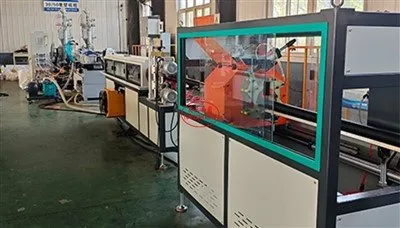
Adjusting the speed of a WPC Profile Machine according to different materials is a complex but necessary process. By understanding the properties of different WPC materials, conducting initial tests, fine – tuning the speed, and maintaining the machine properly, we can ensure high – quality production and efficient operation.
WPC Board Machine As a WPC Profile Machine supplier, we are committed to providing our customers with the best solutions for their production needs. If you are interested in learning more about our WPC Profile Machines or need assistance with speed adjustment for your specific materials, we invite you to contact us for a procurement consultation. Our team of experts is ready to offer you professional advice and support.
References
- "Wood – Plastic Composites: Materials, Processing, and Applications" by Les Elder
- "Extrusion of Polymers: Theory and Practice" by L.A. Utracki
Qingdao Tongsanhegu Plastic Machinery Manufacturing Co., Ltd.
With abundant experience, we are one of the most reliable wpc profile machine manufacturers and suppliers in China. We warmly welcome you to buy durable wpc profile machine for sale here from our factory. Quality products and reasonable price are available.
Address: West of Xixinzhi Village, Sanlihe District Jiaozhou, Qingdao City, Shandong Province, China
E-mail: info@tongsanhegu.com
WebSite: https://www.tongsanhegumachine.com/
