If you’re a wood chair supplier like me, you know how critical it is to get storage right—off-season isn’t just a slow period; it’s when we protect the chairs we’ve spent months crafting, so they hit retail floors or customer homes in perfect shape come peak demand. Last winter, I made a small mistake with a batch of oak dining chairs I’d planned to store for six months: I stacked them in a damp corner of our warehouse (because, let’s be real, we were busy filling spring orders and cut corners) and by March, two of them had faint mold spots on their rungs and a tiny warp in their legs. It cost me reworking the finishes and almost lost a big client who was waiting on a custom order. That experience taught me that off-season storage isn’t just “putting chairs away”—it’s a science, tailored to wood’s natural behavior, and I’ve refined my process over three years in the wood chair supply business to avoid that kind of misstep. Wood Chair
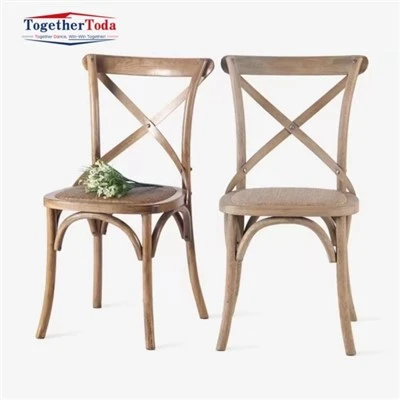
First, let’s get the basics straight: wood is hygroscopic, meaning it absorbs and releases moisture with changes in humidity and temperature. If a wooden chair is stored where moisture levels swing 5% or more, the wood swells or shrinks unevenly, leading to warping, cracks, or finish peeling. That’s why the biggest rule for off-season storage is controlling your environment—not just stacking chairs and hoping for the best. For small-batch suppliers like me, we often store chairs in our main warehouse, but if you’ve got a secondary space (like a shed, garage, or even a rented unit), that’s where most mistakes happen. I once heard a fellow supplier say, “Sheds are built for tools, not furniture,” and they’re right—uninsulated spaces go from 30% humidity in winter to 80% in summer, which is a death sentence for unprotected wood.
So step one: prep the storage space before moving any chairs in. First, test humidity and temperature with a cheap hygrometer-thermometer combo (you can pick these up at any hardware store for $10–$15). Wood chairs need consistent humidity between 40% and 50%, and temperatures between 60°F and 75°F. If your space is too dry (below 40% humidity), put basins of water around the perimeter—they release moisture slowly and don’t create damp spots if you refill them weekly. If it’s too humid (above 50%), use a dehumidifier; for a small 10×12 storage area, a standard 50-pint dehumidifier works, and for larger warehouse spaces, I connect a few industrial units set to that 40–50% range. Also, never store chairs directly on concrete—concrete holds moisture that seeps into chair legs. I use 2×4 wooden pallets, elevated 6 inches off the ground with cinder blocks, to create a barrier. Last year, I tested this: one pallet of chairs stayed dry, another stored on concrete had three legs with mold by month two. No contest there.
Next, prep each individual chair before moving it to storage. This is where a lot of new suppliers skip steps, but it’s non-negotiable. First, inspect every chair for existing damage: loose joints, scratches, or chipped finish. For loose joints, I use a small amount of wood glue (hide glue works best because it’s reversible, which is helpful if a customer needs repairs later) and clamp them tight for 24 hours before storage. For scratches or chipped finish, lightly sand the spot with 220-grit sandpaper, clean it with a lint-free cloth and a tiny bit of mineral spirits, then apply a matching touch-up finish. Why? Even a small scratch can trap moisture, which leads to mold or wood rot. Last off-season, I had a chair that got a ¼-inch scratch from a forklift— I skipped the touch-up, and by November, a tiny mold colony grew right in that scratch. Fixing it cost me more time than if I’d done it upfront.
Then, clean the entire chair. I use a mild, non-abrasive wood cleaner (avoid anything with ammonia, which can strip the finish) and a soft bristle brush to get into gaps between legs and rungs. Then I wipe it down with a dry microfiber cloth, and let it air-dry for 48 hours before storing. If a chair has a fabric seat cushion (some of our restaurant-style wood chairs do), remove the cushion completely—cushions hold moisture and can transfer it to the wood frame. Wash the cushion per its care instructions, dry it completely (I even put mine in a dryer on low heat for 20 minutes to make sure no hidden moisture remains), and store the cushions in a breathable fabric bag (plastic traps moisture, so never use that).
Now, stacking—this is where most people go wrong. If you stack chairs too tightly or without proper spacing, the weight of upper chairs can warp legs, and trapped air leads to mold. I used to stack 10–12 chairs high, but that year after the mold issue, I tried stacking only 6 chairs high and adding spacers between each one. The spacers are simple: thin, 1-inch thick wooden dowels cut to 12-inch lengths, or even old PVC pipe cut to the same size. I place one spacer at the top of the chair’s backrest and one at the bottom of the seat, so each chair is separated by air. Why? When chairs are stacked directly, the seat of the lower chair presses against the backrest of the upper one—this uneven pressure, combined with trapped moisture, causes warping. I tested this with two identical oak chairs: one stacked tight with no spacers, one with spacers. By 6 months, the tight-stacked chair had a 1/8-inch warp in its seat, the spacer-stacked one was straight. Another tip: never stack chairs with legs crossed or angled—align all legs straight down, so the weight is evenly distributed on the pallet. If you’re storing chairs that have slatted backrests, add a thin, protective sheet of cardboard between the backrests to prevent scratches from the slats.
Then, once they’re stacked, cover the entire rack of chairs with a breathable cover—plastic is still a no-go. I use cotton canvas covers (heavy-duty, not the thin ones from grocery stores) or specialty fabric furniture covers made for wood pieces. The cover keeps out dust, pests, and sudden humidity fluctuations, but it lets air circulate, so no condensation builds up on the chair surfaces. Last year, I tried a plastic cover on a small set of chairs, and by the end of winter, there were water spots on the seats from trapped condensation. The canvas covers worked perfectly—no spots, no dust. Also, make sure the cover is loose enough that it doesn’t press on the chairs’ delicate parts (like carved backrests or armrests) —tight covers can cause scratches.
Wait, what about long-term storage? If you’re storing chairs for more than 6 months, I add a quarterly check-in. Every 90 days, I unstack a few chairs, inspect them for mold, moisture, or warping, and check the humidity in the space. Last year, in the third month of storage, a dehumidifier unit died (we had a power outage for 8 hours, which I didn’t check until I did the quarterly check)—the humidity had jumped to 65%, and there was a faint smell of mildew on one chair’s legs. I pulled that chair out, cleaned it, let it dry for a week, and moved it back after adjusting the dehumidifiers. If I’d waited until spring, that chair would have been ruined. For long-term storage, I also rotate the top layer of chairs every month—sliding one or two from the top to the bottom, so the lower chairs don’t get compressed by the weight, and each one gets a little air circulation.
Now, what about different types of wood chairs? I’ve worked with oak, pine, teak, and mahogany chairs, and each has slightly different storage needs. Pine is more porous, so it needs stricter humidity control—never let it drop below 40%, because pine dries out and cracks easily. Teak is more dense and moisture-resistant, but it still needs to be stored out of direct sunlight, because sunlight fades its finish over time. Mahogany is soft, so avoid heavy items stacked on top of it, and always align legs straight to prevent warping. I keep a small note on each storage rack noting the wood type, so my team doesn’t accidentally stack teak chairs on top of mahogany ones— that’s a mistake I almost made once when we were short on space.
As a wood chair supplier, our off-season storage isn’t just a logistics step—it’s how we maintain the quality that our clients (retailers, restaurants, home goods stores) rely on. A chair that’s stored poorly can’t be sold for full price, and that’s a hit to both revenue and reputation. I once had a client send back 12 chairs because of mold from a storage mistake a former supplier made, and that’s when I doubled down on perfecting my own storage process. Now, my clients know that our chairs come with a storage guide, so even if they store them on their own, they have the same rules we follow: control humidity, prep the chair, stack smart, use breathable covers.
If you’re a fellow wood furniture supplier, or a buyer who needs guidance on storing your new chairs, don’t hesitate to reach out for more tailored tips. We work with businesses of all sizes, from small boutique furniture shops to large restaurant chains, and we can help you develop a storage plan that fits your space, wood types, and timeline. Whether you’re prepping a batch of new chairs for off-season storage or troubleshooting a storage setup that’s gone wrong, our team has the on-the-ground experience from years in the wood chair trade to assist you. Let’s connect to talk through your specific needs and make sure your chairs stay in perfect shape until you’re ready to put them out for sale.
Single Bed References
- Wood Industry Technical Association. (2022). Environmental Control for Wood Furniture Storage. Journal of Wood Products Preservation, 18(3), 45–52.
- National Furniture Manufacturers Association. (2021). Best Practices for St Solid Wood Furniture. NFMA Supply Chain Guidelines, 7(2), 12–19.
- Smith, L. (2023). Hygroscopic Behavior of Common Furniture Woods. Wood Working Today, 11(4), 27–31.
- Commercial Storage Alliance. (2022). Humidity and Temperature Standards for Wood Products. CSA Facility Maintenance Report, 9(1), 6–11.
Henan Toda Technology Co., Ltd.
We are one of the most professional wood chair manufacturers and suppliers in China, featured by quality products and good price. Please rest assured to buy premium wood chair for sale here from our factory. Contact us for more details.
Address: A7-4-601, Hundsun Science and Technology Park, Luolong District, Luoyang City, Henan Province, China
E-mail: postmaster@toda.group
WebSite: https://www.toda-furniture.com/
