If you’ve ever been in the market for extruded ceramic filters—whether you’re casting metal, filtering molten aluminum, or working on any high-temperature industrial process—you know how easy it is to get overwhelmed by all the options. I’ve been supplying these filters for years, and I still hear from folks who grab the first one they see because it has a lower price tag, only to end up with a filter that clogs too fast, breaks mid-process, or doesn’t do the job it’s supposed to. Today, I want to break down what actually matters when you’re picking the right one, no jargon, no fluff, just the stuff that’s going to save you time, money, and headaches down the line. Extruded Ceramic Filter
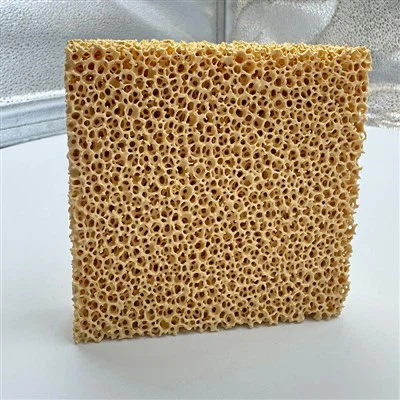
First, let’s start with the basics: what even is an extruded ceramic filter? For anyone who’s new to this, it’s a porous ceramic block made by mixing ceramic materials, shaping them through extrusion (think pushing a thick paste through a die to make uniform shapes), then firing them at high heat. They’re used in metal casting to trap impurities like inclusions, oxides, and dirt from molten metal before it’s poured into a mold. The goal is a cleaner final product, fewer defects, and less waste. But not all extruded ceramic filters are created equal. That’s where the mistakes happen.
One of the biggest factors to nail down first is porosity—and no, I don’t just mean “more holes = better.” Porosity is measured in pores per inch (PPI), and that number is make-or-break. If you go too high with PPI (super small holes), you’re gonna get clogging fast. Fine metal particles, oxides, and even leftover slag will get stuck in those tiny pores, and before you know it, the filter is blocked, so metal doesn’t flow through properly. If you go too low, you’re not trapping enough impurities, and you’ll still get defects in your castings. I’ve seen customers switch from 10 PPI to 20 PPI without adjusting their metal flow rate, and within a week, they were replacing filters twice as often as they should. The sweet spot? It all depends on what you’re casting. For thicker, higher-volume metals like iron or steel, 10–15 PPI works well because the metal is thicker and has bigger impurities. For lighter, more delicate metals like aluminum or brass, 20–30 PPI is better to catch those tiny, hard-to-see inclusions. If you’re unsure, test a couple of sizes first—order small batches to try, don’t commit to a whole pallet right away. That’s a mistake I see all the time.
Next, the material the filter is made from. This isn’t just marketing; different ceramics handle different temperatures and metals. The main ones you’ll see are silicon carbide (SiC), alumina, and zirconia-modified ceramics. Let’s keep it simple: silicon carbide is the workhorse. It can handle super high temperatures (way over 1500°C) and works great for most ferrous metals—iron, steel, cast steel. It’s also pretty resistant to thermal shock, meaning it won’t crack if there’s a sudden change in temperature during use. Alumina is a bit cheaper, but it’s better for non-ferrous metals like aluminum, especially if the metal temperature is a bit lower. It’s not as tough as SiC, though, so don’t use it for heavy-duty steel casting. Zirconia-modified is the top-tier stuff—this one can handle extreme thermal shock and very high temperatures, so if you’re doing precision casting, super-thin walls, or processes where temperature fluctuations are common, this is the way to go. Yeah, it’s more expensive, but the cost savings from fewer defects and longer filter life usually outweigh the extra cost. I had a customer a couple years back who was using regular SiC filters for their precision aluminum casts—they had a 12% defect rate. Switched to alumina-zirconia, and that defect rate dropped to 3% in a month. That’s not a small win.
Then there’s filter size and shape. This isn’t just “fit it in the box”—you have to consider the flow rate of your molten metal and the size of your pouring basin. If your pouring basin is too small for the filter, metal will spill around the edges instead of going through the filter, and you won’t get any of the impurity trapping benefits. If the filter is too big, it’ll slow down the metal flow, leading to incomplete casts or extra heat loss that can cause the metal to solidify too early. Most filters come in standard shapes—rectangular, square, round—but some suppliers will make custom sizes if you need them. Pro tip: when calculating size, measure the cross-sectional area of your metal stream at the point where you’ll place the filter. The filter’s area should be 1.5 to 2 times that. That gives the metal enough space to flow evenly without clogging the pores too fast. I’ve had a lot of new customers skip this step and end up with filters that are too small—they’re replacing filters every 2 hours instead of every 8, which adds up a lot over time.
Durability is another big one, and this ties back to material but also how the filter was made. Extruded filters should be uniform—no weak spots, no gaps in the porous structure. If the extrusion process is rushed, you’ll get filters with uneven pore sizes, or even cracks before you even use them. That’s why it’s worth asking your supplier how they make their filters. Do they use a consistent extrusion die? Do they fire them at a slow, controlled rate? I once had a customer buy a cheap filter from a supplier that didn’t do proper firing—half the filters arrived with small cracks, and when they used them, the cracks got bigger, letting impurities through anyway. We switched them to our filters, which go through a 24-hour firing process at 1600°C, and they haven’t had that problem since. Also, look for filters that have good abrasion resistance. Molten metal is harsh, and if the filter wears down too fast, you’ll get ceramic particles ending up in your final casting, which is a huge defect. Ask for wear test data if you can—any reputable supplier will have that.
Something that a lot of people overlook is compatibility with their existing process. Are you using a specific type of binder for the filter? Or do you have a method of preheating filters before use? If you buy a filter that’s not designed to work with your preheating process, it can crack from thermal shock. For example, if you usually preheat filters to 500°C and the new filter is only rated for 300°C, you’re gonna have issues. Also, some filters are coated with a special layer to prevent metal from sticking to them—if you’re using a metal that has a high tendency to stick, that coating matters. Don’t just assume all filters work the same with your setup. Bring a sample of your metal, or details about your process, to the supplier. A good supplier (like ours) will ask you questions about your casting method, metal type, and equipment before they even recommend a filter. If a supplier just says “this is the best filter for everyone,” they’re probably not paying attention to your specific needs.
Cost is always a factor, but here’s the thing: the cheapest filter isn’t always the best deal. Let’s do a quick example. Suppose Filter A is $20 each, lasts 4 hours, and gives a 10% defect rate. Filter B is $28 each, lasts 8 hours, and gives a 2% defect rate. If you use 100 filters a week, Filter A costs $2000, and you’re dealing with 10 defective casts. Filter B costs $2800, but you only have 2 defective casts, and you only need 50 filters a week. So total cost for Filter B is $1400, and you’re saving on waste from defective parts. That’s a no-brainer. I see so many people fixate on the upfront price, but they don’t calculate the hidden costs: labor to replace filters, waste from bad castings, downtime when the filter clogs mid-process. Those hidden costs are usually way higher than the extra cost of a good filter.
Now, let’s talk about red flags to watch out for when choosing a supplier. First, if they won’t tell you anything about their manufacturing process, or if they can’t provide specs on porosity, material composition, or durability. That’s a sign they’re cutting corners. Second, if they only sell standard sizes and won’t make a custom filter to fit your equipment—every casting setup is a little different, and a one-size-fits-all approach rarely works. Third, if they have no case studies or references for similar processes to yours. A good supplier should be able to point to a customer who’s using their filters for the same metal and casting method as you. We’ve worked with foundries that make everything from small aluminum parts to large steel ingots, so we can match our filters to their exact needs.
Wait, let’s circle back to testing. Even if you do all the research, it’s still smart to run a small test. Order 5–10 filters from the supplier, test them in your actual casting process, and keep track of how long they last, how many defects you get, and how easy they are to handle. Don’t just test them once—run a few batches to make sure the results are consistent. I had a customer a few months ago who tried a filter from a new supplier, and the first test batch was great, but the next batch had uneven porosity, and their defect rate spiked. That’s why testing small first is so important.
Also, think about support. When you have a problem with a filter, do you want to be stuck emailing a supplier for 3 days, or do you want someone who can answer your questions right away? We have a team of folks who know the ins and outs of extruded ceramic filters, so if you call us with a question about your process, we can give you a recommendation instead of sending you a catalog. We also offer samples, so you don’t have to invest a lot upfront to try something new.
At the end of the day, choosing the right extruded ceramic filter isn’t rocket science, but it’s not just picking the cheapest option either. It’s about matching porosity to your metal and process, picking the right material for the temperatures and metals you’re working with, getting the size that fits your equipment, and calculating the total cost, not just the upfront price. And don’t forget to work with a supplier that actually cares about your specific needs, not just making a sale.

If you’re still unsure which filter is right for your operation, don’t guess—reach out to us. We’ll ask you a few questions about what you’re casting, your equipment, and any challenges you’ve had with filters in the past, and we’ll help you pick the best option that’ll save you time, reduce defects, and lower your total costs. No pressure, no sales pitches, just straightforward advice from people who’ve been in this business for a long time.
Fiber Filter References:
- ASTM International. (2020). Standard Test Methods for Porosity of Ceramic Foam Filters and Extruded Ceramic Filters for Molten Metal Filtration. ASTM B111-20.
- Campbell, J. (2015). Metal Casting: Practices for Improvement. ASM International.
- Davis, J. R. (Ed.). (2005). Ceramic and Glass Materials for High-Temperature Applications. ASM International.
- Foundry Management & Technology. (2022). “How Filter Selection Impacts Casting Quality and Cost.” Vol. 150, No. 3.
- Schmidt, R. (2019). “Thermal Shock Resistance of Extruded Ceramic Filters for Ferrous and Non-Ferrous Metals.” Journal of Materials Processing Technology, Vol. 270, pp. 123–131.
Shanxi Dingtai Yinrui Filter Manufacturing Co., Ltd.
As one of the most professional extruded ceramic filter manufacturers and suppliers in China, we’re featured by quality products and good service. Please feel free to buy high-grade extruded ceramic filter made in China here from our factory. Contact us for more details.
Address: Plant 1-2, No.3 Xuhu Business and Trade Industrial Park, Houma Economic Development Zone, Linfen, Shanxi, China
E-mail: tina@dtcastingfilters.com
WebSite: https://www.dingtaifilter.com/
