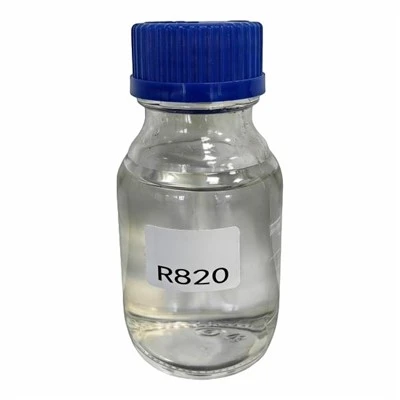
Hey there! I’m a supplier of hardeners, and I often get asked about how to test the effectiveness of these products. It’s a crucial question, especially for those who rely on hardeners to strengthen materials and improve their durability. In this blog, I’ll share some practical ways to test the effectiveness of a hardener, based on my experience in the industry. Hardener
Understanding What Effectiveness Means
Before we dive into the testing methods, let’s clarify what we mean by the effectiveness of a hardener. In simple terms, an effective hardener should be able to enhance the physical properties of the material it’s applied to. This can include increasing its hardness, strength, abrasion resistance, and chemical resistance. It should also work well with the base material and not cause any unwanted side – effects like cracking or discoloration.
Visual Inspection
One of the simplest ways to start testing a hardener is through visual inspection. After applying the hardener to a test sample, you can look for obvious signs of change. For example, if you’re using a hardener on a wooden surface, a good hardener should make the wood look smoother and more polished. You might also notice that the color of the material changes slightly, which could indicate that the hardener is penetrating and reacting with the base material.
If there are any bubbles, streaks, or uneven areas on the surface after application, it could be a sign that the hardener isn’t spreading evenly or that there’s a problem with the application process. However, this is just a preliminary test, and it doesn’t give you a full picture of the hardener’s effectiveness.
Hardness Testing
Hardness is one of the most important properties of a hardened material. There are several ways to test the hardness of a material after applying a hardener.
Pencil Hardness Test
This is a quick and easy test that you can do in your workshop. You’ll need a set of pencils with different hardness ratings, from 6B (soft) to 9H (hard). Start with the softest pencil and draw a line on the hardened surface at a 45 – degree angle with moderate pressure. If the pencil doesn’t leave a mark, try the next harder pencil. Keep going until the pencil leaves a mark on the surface. The hardness of the pencil that first leaves a mark gives you an indication of the surface hardness of the hardened material.
Shore Hardness Test
For more accurate hardness measurements, especially for rubber or plastic materials, the Shore hardness test is a great option. You’ll need a Shore durometer, which is a device that measures the indentation resistance of a material. Press the durometer onto the hardened surface and read the hardness value on the scale. Different types of Shore durometers are used for different materials, so make sure you choose the right one for your application.
Abrasion Resistance Testing
Abrasion resistance is another important factor to consider when testing the effectiveness of a hardener. A good hardener should protect the material from wear and tear caused by friction.
Taber Abrasion Test
The Taber abrasion test is a widely used method for measuring the abrasion resistance of materials. You’ll need a Taber abraser, which consists of two abrasive wheels that rotate on the surface of the test sample. The sample is weighed before and after the test, and the weight loss is used to calculate the abrasion resistance. A lower weight loss indicates better abrasion resistance.
Sandpaper Test
If you don’t have access to a Taber abraser, you can do a simple sandpaper test. Rub a piece of sandpaper with a specific grit (e.g., 100 – grit) back and forth on the hardened surface for a set number of strokes. Then, inspect the surface for any signs of wear. If the surface shows minimal wear, it means the hardener has good abrasion resistance.
Chemical Resistance Testing
In many applications, the hardened material needs to be resistant to chemicals. To test the chemical resistance of a hardener, you can expose the hardened sample to different chemicals.
Immersion Test
Prepare a series of containers with different chemicals, such as acids, alkalis, and solvents. Immerse the hardened test sample in each chemical for a set period of time (e.g., 24 hours). After the immersion, remove the sample and rinse it with water. Then, inspect the sample for any signs of damage, such as discoloration, swelling, or loss of adhesion.
Spot Test
If you don’t want to immerse the entire sample, you can do a spot test. Apply a small drop of the chemical onto the hardened surface and cover it with a watch glass to prevent evaporation. Leave it for a certain period of time and then wipe off the chemical. Check the spot for any changes in the surface.
Adhesion Testing
The hardener needs to adhere well to the base material. Poor adhesion can lead to the hardener peeling off or flaking, which reduces its effectiveness.
Cross – Hatch Test
Use a sharp blade to make a series of parallel cuts on the hardened surface, about 1mm apart. Then, make another set of cuts perpendicular to the first set, creating a cross – hatch pattern. Apply a piece of adhesive tape over the cross – hatch area and press it firmly. Then, quickly pull the tape off at a 90 – degree angle. If the hardener doesn’t come off with the tape, it has good adhesion.
Pull – Off Test
For more accurate adhesion measurements, you can use a pull – off tester. This device applies a pulling force to a small area of the hardened surface until it detaches from the base material. The force required to pull off the hardener is a measure of its adhesion strength.
Long – Term Testing
All the tests I’ve mentioned so far are relatively short – term tests. However, to really understand the effectiveness of a hardener, it’s important to do long – term testing. You can expose the hardened samples to real – world conditions, such as sunlight, humidity, and temperature changes, for an extended period of time (e.g., several months or even years). Then, periodically check the samples for any changes in their physical properties.
Conclusion
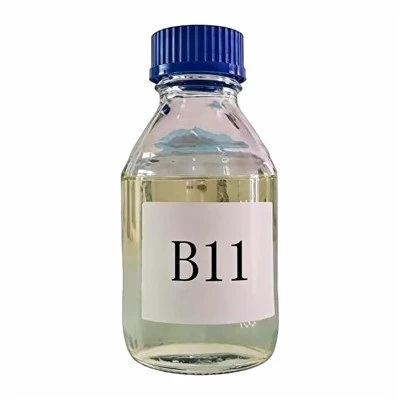
Testing the effectiveness of a hardener is a multi – step process that involves evaluating different physical properties. By using a combination of visual inspection, hardness testing, abrasion resistance testing, chemical resistance testing, and adhesion testing, you can get a comprehensive understanding of how well a hardener works. And don’t forget about long – term testing, as it gives you a better idea of the hardener’s durability over time.
Footwear Spary Adhesive If you’re in the market for high – quality hardeners and want to learn more about our products, feel free to reach out to us for a procurement discussion. We’re always happy to help you find the right hardener for your specific needs.
References
- ASTM International standards for material testing
- Technical literature from hardener manufacturers
- Industry research papers on hardener effectiveness
Guangdong Yrbest High Polymer Technology Co., Ltd.
Guangdong Yrbest High Polymer Technology Co., Ltd. is one of the most professional hardener manufacturers and suppliers in China, featured by quality products and good price. Please rest assured to buy bulk advanced hardener from our factory. Contact us for quotation and free sample.
Address: Room 1701, No. 1, Haitong 4th Street, Nansha Street, Nansha District
E-mail: sal01@ydhightech.com
WebSite: https://www.ydhightech.com/
