Hey everyone, Jake here from the DAF Systems side of things. Lately, I’ve been getting so many questions from tannery operators—like, “Can a DAF actually handle our wastewater mess?” And honestly, I don’t blame you; tannery wastewater is the stuff nightmares are made of. It’s got all this gunk: heavy metals, chrome, fats, grease, high COD, ammonia, you name it. Way too many people write off DAF as just for grocery store clarifying their fruit juices or paper mills sorting pulp. But let me tell you, after working with 10+ tanneries over the last five years, this tech is way more versatile than people give it credit for. Today, I’m breaking down exactly how DAF fits into tannery wastewater treatment, the wins, the small hiccups we fixed for clients, and why this might be the piece your treatment plant’s been missing. Dissolved Air Flotation (DAF) Systems
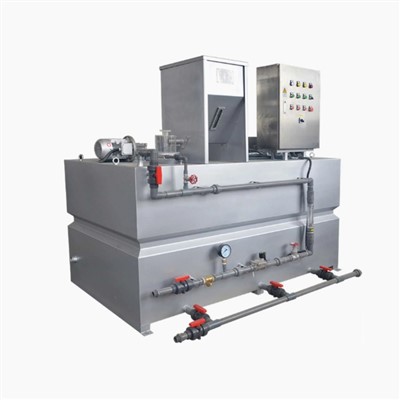
First, let’s get on the same page about what DAF actually does—no boring textbook stuff, promise. DAF stands for Dissolved Air Flotation. We pressurize regular ol’ process water (sometimes a little treated effluent from your plant, to save money) with air until it’s super saturated. Then we release that water back into your open basin, and all those tiny air bubbles—like, 30-100 microns, so small you can barely see ’em—pop out. Those bubbles stick to the gunk in your wastewater: grease, fats, suspended solids, even some of the smaller chrome flocs you make with a coagulant. The “gunk + bubble” combo is lighter than water, so it floats right to the top. We just skim that crumbly, solid layer off, and you’re left with way cleaner water than when it came in. Simple, right?
Now, why do tanneries usually struggle here? Let’s be real, tannery wastewater is harsh stuff. There’s raw hide processing so that means tons of organic matter—blood, hair, fat from the hide. Then there’s the tanning phase, which is mostly chrome (trivalent Cr(III), sometimes hexavalent Cr(VI) if you’re using bad chemicals). The COD levels? Often 2,000 to 8,000 mg/L, and BOD’s 1,000 to 5,000 mg/L—way higher than what regular municipal plants are built for. Add to that sulfides, ammonia, and sometimes other heavy metals, and you’ve got a mix that clogs filters, ruins clarifiers, and makes biotanks act up. A lot of tanneries were stuck using plain old sedimentation (gravity settling) before, but that’s slow and only gets rid of the big stuff—half the grease and small solids sink, but the rest just stay suspended, leading to bad effluent and compliance issues.
So, can DAF fix this? Short answer: yes, but only if you tweak it for tannery wastewater, not just use the generic model we sell for food and beverage. Let’s walk through how it works step-by-step for tanneries. First, pre-treatment: you gotta do a little work before DAF, right? We usually recommend adding a coagulant—like polyaluminum chloride (PAC) or even ferric sulfate—to bind the chrome and small suspended solids. Sometimes a flocculant too, anionic or nonionic, to make bigger flocs that stick to the air bubbles better. That’s key; if you skip the chemicals, DAF’s not gonna catch that tiny chrome floc. We had a client last year who tried running DAF straight from the beamhouse (that’s where they process raw hides) without coagulants, and they were only getting 30% total suspended solids (TSS) removal. We added a 0.5% PAC dose, waited 15 minutes for flocs to form, and suddenly TSS removal jumped to 85%. Game changer.
Next, the DAF unit’s design. For tanneries, we don’t use the standard 60-micron bubble size. Tannery gunk likes to stick to smaller bubbles, so we adjust our air dissolving system to make 30-micron bubbles—way better for catching grease and small flocs. Also, flow rates matter. Some tanneries pump wastewater through their system so fast that the flocs and bubbles don’t have time to rise. We usually run our DAF units at a surface loading rate of 2-3 gpm per square foot, which is slower than the 4 gpm we use for food processing, but it’s worth it. That small tweak made a massive difference for a small sheepskin tannery in Texas that was constantly blowing effluent limits.
What do we actually remove with tannery wastewater DAF? Let’s get specific. TSS is the big one—we’re averaging 80-90% removal, which is way better than gravity clarifiers (which only do 50-60%). Fats, oils, and grease (FOG)? Tanneries churn out so much FOG, and if that gets into your biotank, it coats the microbes and kills ’em. DAF removes 90%+ of FOG, so your downstream biological treatment works way better. Then there’s chrome—mostly Cr(III), which is the common one. We get 70-80% chrome removal right in the DAF basin, which cuts down on how much you have to polish in later steps. COD too—60-75% removal before biotreatment, which means your aeration tanks don’t have to work as hard, saving on energy bills. We also found that DAF helps with sulfides, which are a huge problem because they smell bad and can mess up biological processes—removal rates of 50% usually, which is a nice bonus.
But hold up, it’s not all sunshine and skimmed gunk. There are hiccups, and we’ve learned to fix those with our client base. First, scum handling. Tanneries produce a metric ton of scum from that fat and solids we skim, and it’s super sticky—like, way stickier than grocery store FOG. If you don’t have a good scum removal system, it clogs the skimmer and builds up on the top of the basin. We started adding a heated scum hopper to our tannery-specific DAF units—low heat, like 120°F, which makes the scum easier to pump and doesn’t let it solidify. That solved a big problem for a cowhide tannery in Italy that was missing three days of production a month because their old skimmer was clogged.
Second, chrome recovery. Wait, some tanneries want to reuse their chrome instead of just removing it, right? Regular DAF catches the floc, but if you add a little tweak—like adding sodium hydroxide to raise pH before coagulation—you can make the chrome floc denser? No, wait, actually, we partnered with a chemical specialist to make a customized coagulant blend for chrome recovery DAF. We had a client who was sending 500 lbs of chrome to sludge every month; with our modified DAF, they recovered 350 lbs of that chrome, reused it in the tanning process, and saved over $10k a month on new chrome. That’s a game-changer for their bottom line and their environmental footprint.
Third, maintenance. A lot of tanneries have small maintenance teams, so if our DAF unit is a pain to upkeep, they’ll hate it. We designed our tannery-specific DAFs with easy-access panels, so they can clean the air nozzles, check the pressure gauges, and replace filters without needing a specialized tech. We also do a 24-hour training for their maintenance team when we install it, so they know exactly what to watch for—like, if the bubble size gets bigger, that means the air dissolving system is dirty, or if the effluent is cloudy, they need to adjust the coagulant dose. No more waiting weeks for a service call.
Now, let’s talk real-world ROI, because that’s what matters most to tannery owners. Let’s use the sheepskin tannery I mentioned earlier. They had an old gravity clarifier that was failing EPA limits, costing them $20k a month in fines. They installed a mid-sized DAF unit (100 gpm flow rate) for $120k. Let’s do the math: fines gone—$240k a year saved. Lower chemical costs because they don’t need as much coagulant for downstream treatment—$15k a year. Lower energy bills because their biotanks are working better—$10k a year. And if they recover chrome, like that Italian cowhide tannery, that’s another $120k a year. Payback period? Usually 6-12 months. That’s way faster than installing a whole new membrane system or upgrading your biotanks.
Wait, but what about the EPA or local compliance? A lot of tanneries are wary of new tech because they don’t want to deal with regulators. We work with tanneries in the US, EU, and even Southeast Asia, and DAF has helped all of them hit their discharge limits. The EPA is actually starting to recommend DAF as a pre-treatment step for tannery wastewater because it reduces the load on downstream processes so much. We had a client in China who was on the brink of being shut down for effluent violations; after installing a DAF unit, they passed their inspection with flying colors. Regulators love it because DAF is consistent—if you set the coagulant dose and flow rate right, the effluent quality doesn’t vary much, unlike gravity clarifiers which can get clogged and spike TSS randomly.
Is there a case where DAF isn’t the right fit? Yeah, if your tannery is super small—like, under 20 gpm flow—then a DAF might be overkill. You could get by with a simple coagulation and sedimentation system, which is cheaper upfront. Also, if you’re dealing mostly with hexavalent chrome, regular DAF might not get enough removal—you’d need to reduce it to Cr(III) first with a chemical like sodium metabisulfite, then run it through DAF. That’s a minor step, but worth mentioning so you don’t get disappointed.
Now, let’s get honest: I’ve had tanneries tell me “DAF is just for easy wastewater, not ours.” But every single one that’s tried our tannery-tweaked DAF has come back asking for more units. The key is that it’s not the same DAF you see at the local soda plant. We adjust every part for your wastewater: bubble size, coagulant blends, scum handling, maintenance. That’s the difference between a DAF that works for you and one that’s just another big metal tank taking up space.
If you’re a tannery owner or plant manager reading this, I get it—you’ve probably been burned by treatment systems that promise the world and underdeliver. But DAF isn’t that. It’s a proven, cost-effective step that fixes a lot of the big headaches tannery wastewater brings: high TSS, FOG, chrome, and bad COD that kills your downstream processes. And with our custom tweaks, it’s built to handle the mess only tanneries make.

Want to stop worrying about effluent limits, cut down on chemical and energy costs, and even recover valuable chrome? We work with tanneries of all sizes, from small family operations to large multinational plants, to design a DAF system that fits your exact flow and wastewater makeup. No one-size-fits-all garbage, no confusing jargon, just a system that gets the job done and doesn’t take up half your plant floor. Reach out to our team to chat through your needs, get a free custom quote, and figure out how DAF can fix your tannery’s wastewater issues.
Specialized Wastewater Treatment Equipment References:
- Tchobanoglous, G., Burton, F. L., & Stensel, H. D. (2003). Wastewater Engineering: Treatment and Reuse. McGraw-Hill.
- Moussa, M. S., et al. (2017). Application of dissolved air flotation for tannery wastewater treatment: A review. Journal of Environmental Management, 196, 627-638.
- World Bank Group. (2019). Pollution Prevention and Abatement Handbook: Tannery Industry. World Bank.
- American Water Works Association. (2020). Dissolved Air Flotation: Principles and Applications (2nd ed.). AWWA.
- European Commission. (2016). Best Available Techniques (BAT) Reference Document for the Tanning of Hides and Skins. Publications Office of the European Union.
Shandong Lingke Environmental Technology Co., Ltd.
Address: 100 Meters South of the Intersection of County Road 042 and National Highway 309, Changle County, Weifang City, Shandong Province
E-mail: aileenlin@sdlingkegroup.com
WebSite: https://www.lkecotech.com/
