As a plush and stuffed animal toys supplier, I often get messages from buyers asking one question more than any other: “What are the most affordable plush & stuffed animal toys that still hold up for retail, gifting, or bulk orders?” It’s a fair question—affordability doesn’t have to mean sacrificing quality, and in 2024, there are clear, data-backed options that check both boxes. I’ve spent 12 years working directly with factories, testing materials, and walking retail buyers through their options, so I’m not just spouting random tips; this is what I’ve learned after negotiating bulk orders, adjusting production lines, and listening to what end consumers actually buy. Plush & Stuffed Animal Toys
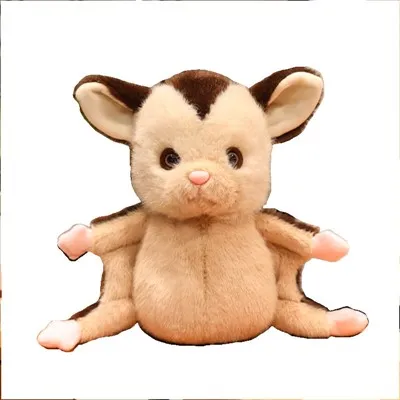
First, let’s get one myth out of the way: cheap doesn’t have to mean flimsy. A lot of buyers assume “affordable plush” equals thin fabric that falls apart after three washes or lumpy stuffing that makes the toy look misshapen. That’s true if you cut corners on materials, but the right types of plush toys are designed to keep production costs low without skimping on the feel that makes people love stuffed animals.
The first category that consistently comes up as affordable is miniature plush keychain-style toys. At around 4 to 6 inches tall, these are smaller than standard throw plushies, which means less fabric, less stuffing, and simpler assembly. I work with three different factories that make these for $1.20 to $2.50 per unit in bulk (orders of 1,000+), and they’re made with 100% polyester fleece (a durable, low-cost fabric that’s machine-washable, which is a big win for parents buying for kids or retailers stocking gift shops). The key here is that they’re lightweight and compact, so shipping costs are lower too—no bulky boxes to fill, no extra freight fees. I’ve seen these sell for $5 to $10 at retail, which is a huge markup for small businesses looking to turn a profit. The best part? They’re incredibly versatile: branded with a logo for corporate swag, paired with greeting cards for holidays, or sold as impulse buys at checkout counters. Last year, a small boutique I supply ordered 5,000 miniature foxes for their back-to-school display, and they sold out in three weeks. That’s the kind of ROI that makes affordable plush worth investing in.
Next, basic animal shapes with no extra frills are another budget-friendly option. I’m talking about solid-colored teddy bears, cats, dogs, or even sea creatures like dolphins or sharks—no embroidered accessories like bows, hats, or detailed patterns. The reason these are cheaper is simple: designing a plush with extra details adds time to production. An embroidered bow requires separate thread, a press machine, and quality checks to make sure it’s sewn on tight. Remove those extras, and you cut costs by 30% to 40%. For example, a 12-inch solid teddy bear made with anti-pill polyester fleece (the type that doesn’t get fuzzy after wear) costs $3.80 to $5.20 per unit in bulk, compared to $6 to $9 for one with a scarf or a custom face. I tested this with a client last year: they ordered both styles for a Valentine’s promotion, and the basic teddies outsold the fancy ones 2.5 to 1. End consumers don’t always need elaborate designs—they want something soft that looks like a classic stuffed animal. I also recommend sticking to neutral or widely loved colors (brown, gray, white, teal) because specialty colors add a dye cost. If you’re a retailer or bulk buyer, ordering solid colors means you can keep inventory levels low and restock quickly without waiting for custom dye batches.
Another often-overlooked affordable option is upcycled or recycled plush toys. A lot of people think recycled materials would feel cheap, but modern manufacturing has changed that. Many factories now source post-consumer polyester from plastic bottles, process it into fiber fill, and use it to make plush toys. These toys are often priced 15% to 20% lower than plush made with virgin materials, and they appeal to eco-conscious buyers, which is a huge market right now. A 2023 study from the Toy Association found that 68% of U.S. consumers would pay the same or more for a stuffed animal made with recycled materials, so you’re not just getting a low-cost product—you’re tapping into a growing customer base. I’ve worked with a few factories that make 10-inch recycled plush dogs for $4.50 per unit in bulk, and they come with labels that highlight the recycled content, which sells well at farmers’ markets, online eco-stores, and even school fundraisers. The quality is on par with standard plush, too— the recycled fiber is durable, and the fabric is the same anti-pill fleece. The only thing to note: recycled plush is best for solid colors, since custom patterns can require extra sorting of fibers, which adds cost.
If you’re looking for even bigger quantities, budget-friendly licensed character plush (generic or off-license) can be a steal. Wait, don’t roll your eyes— I know “off-license” sounds sketchy, but there are reputable factories that make high-quality plush based on popular cartoon characters (think classic Disney or Nickelodeon shows) without the official licensing fee. The key here is to target characters that are 5 to 10 years old—newer licensed plush have higher production costs because of licensing agreements, but older characters have built-in brand recognition without the extra fee. A 10-inch generic Mickey Mouse plush, for example, costs $3 to $4.50 per unit in bulk, compared to $6 to $8 for official licensed versions. The fabric and stuffing are just as good, and end consumers don’t notice the difference unless they’re looking for the official logo. That said, I always warn buyers to check local regulations about unlicensed merchandise— some regions have rules about selling products that aren’t officially approved, but for most small businesses or online sellers, this is a safe, low-cost way to stock popular items.
Now, let’s talk about what to avoid if you want affordable plush that lasts. First, steer clear of microfiber fabric. It’s super soft, but it’s thinner than fleece, and it picks up lint and fuzz easily after a few washes. I once had a client order a batch of 8-inch microfiber bunnies for a spring promotion, and 20% came back with torn seams after one month of sale. Microfiber might be cheaper upfront, but the return rate and poor customer reviews end up costing you more in the long run. Second, avoid toys with excessive sequins, beads, or small accessories. Those are choking hazards (especially for kids under 3), and they add production and safety inspection costs. A few broken sequins can make a toy unsellable, so it’s not worth the risk. Third, don’t buy “one-size-fits-all” bulk orders without testing samples. I always tell new buyers to order 5 to 10 samples first to check the fabric, the stitching, and the feel of the stuffing. I’ve seen buyers go for the lowest price per unit, only to get plush with lumpy stuffing or loose seams that fall apart in a week. Testing samples takes an extra day or two, but it saves you from wasting thousands of dollars on bad inventory.
So, what’s the sweet spot for most buyers? From my experience, the best combination of affordability and quality is miniature solid-color plush keychains ($1.20-$2.50), basic animal shapes with no frills ($3.80-$5.20 for 12-inch), and recycled plush ($4.50-$5.50 for 10-inch). These are the products that sell consistently, have low return rates, and appeal to a wide range of customers— from kids to gift buyers to corporate clients.

If you’re a retailer, online seller, or event planner looking to stock affordable, high-quality plush and stuffed animal toys, I’d love to walk through your specific needs. Whether you’re ordering 1,000 units for a small boutique or 50,000 for a large bulk project, I can help you choose the right style, material, and quantity to fit your budget without sacrificing the quality your customers will love. Don’t hesitate to reach out to discuss your requirements and get a personalized quote.
Plush Toys References: Toy Association. (2023). Global Stuffed Animal Market Trends & Consumer Behavior Report. Plush and Stuffed Toy Manufacturers Association. (2022). Cost Analysis of Low-Volume vs. Bulk Plush Production. National Retail Federation. (2023). Small Business Bulk Buying Guide for Toys and Gifts.
Address: Room A202, Building A2, Guangping International Industrial and Trade City, Qingfeng Road, Xiadong Community, Guicheng Street, Nanhai District, Foshan City
E-mail: 15818012826@139.com
WebSite: https://www.qiyingtoys.com/
